If you’re a fan of small town horror novels and fast-paced thriller fiction, The Harvest Town was built for you.
From the beginning, I didn’t want to write a traditional horror story. I wanted something more unsettling. A story that felt quiet on the surface, but carried pressure underneath every scene. The kind of story where something is wrong long before anyone can explain what that wrong thing is.
At the same time, I wanted the story to move. I wanted tension, momentum, and physical stakes. Not just atmosphere, but impact.
That meant bringing together two very different storytelling styles.
The Core Idea: A Small Town That Feels Off Before It Feels Dangerous
Small town horror works best when the setting itself becomes part of the threat.
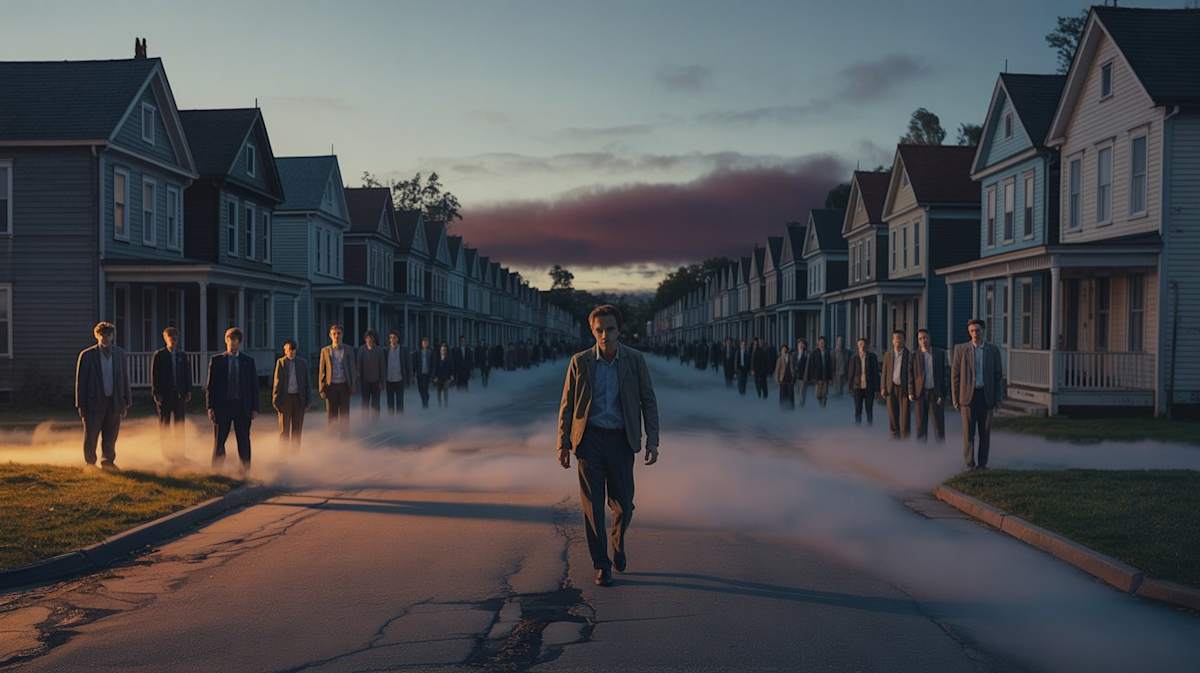
In The Harvest Town, the town isn’t just a backdrop. It behaves with intention. People move together. Conversations feel slightly rehearsed. Events unfold with a rhythm that no one openly acknowledges.
The fear doesn’t come from what jumps out at the reader. It comes from what doesn’t line up.
This is where the influence of Stephen King shaped the narrative voice.
King has a way of making ordinary places feel layered with memory and unease. He uses grounded detail and controlled metaphor to make the familiar feel unstable. That approach allows tension to build slowly, almost invisibly, until the reader realizes something is deeply wrong.
I wanted that same effect. A town that feels normal at first glance, but becomes harder to trust with every chapter.
The Twist: A Jack Reacher–Style Character Inside That World
Here’s where things get interesting.
Most small town horror stories follow characters who are part of the town. They’re connected to it. Rooted in it. Vulnerable to it.
I chose the opposite approach.
I introduced a character built in the mold of Jack Reacher. Someone observant. Tactical. Physically capable. A character who doesn’t panic, doesn’t overreact, and doesn’t miss details.
This creates a different kind of tension.
Instead of a character slowly realizing something is wrong, you have a character who senses it almost immediately. The tension shifts from discovery to confirmation.
He sees the patterns early. The question becomes whether he can act on them before the town closes in.
Balancing Two Voices Without Breaking the Story
Blending Stephen King’s atmospheric horror with Lee Child’s sharp, controlled action style was the hardest part of writing The Harvest Town.
These two approaches pull in opposite directions.
Stephen King’s style leans into immersive detail, emotional undercurrents, and carefully chosen metaphors that deepen the unease.
Lee Child’s style strips everything down. Clean sentences. Clear movement. Cause and effect. When action happens, it happens fast and without decoration.
If you lean too far into atmosphere, the story slows down.
If you lean too far into action, the horror loses its weight.
The balance had to be precise.
So the structure of the book follows a deliberate rhythm:
Quiet observation.
Subtle anomaly.
Escalation.
Sudden, decisive action.
Then back to quiet again, but now the reader understands more than they did before.
That cycle repeats, each time with higher stakes.

Why This Approach Works for Horror and Thriller Readers
Horror readers are drawn to the feeling that something is wrong beneath the surface.
Thriller readers are drawn to momentum, tension, and consequences.
The Harvest Town is designed to deliver both.
You get the creeping dread of a town that doesn’t behave the way it should.
You also get a protagonist who pushes back against that dread with clarity and force.
That contrast creates a unique reading experience.
Read The Harvest Town on Amazon
If this kind of story speaks to you, you can read the novel here:
The Harvest Town by Lance Jepsen on Amazon
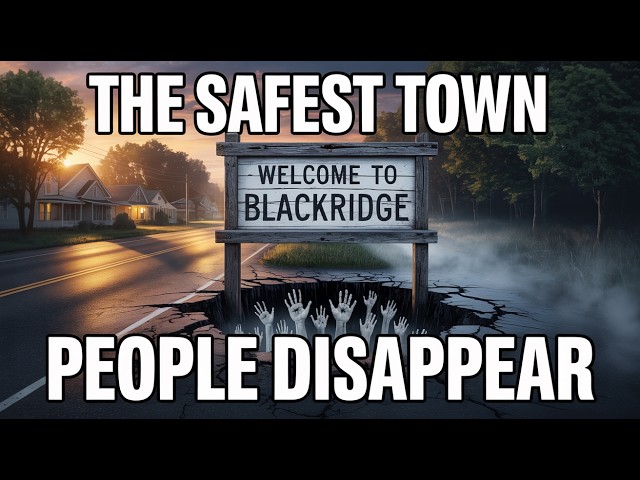
Blackridge is the safest town in America. For more than a century, it has prospered while others struggled. Every generation, someone disappears.
The Risk of Blending Genres
This kind of hybrid storytelling comes with risk.
If the tone isn’t controlled, the story can feel inconsistent. If the pacing isn’t tuned, readers can disengage. If the character doesn’t fit the world, the illusion breaks.
Every chapter of The Harvest Town had to be calibrated.
Where does the scene sit between horror and action?
How much does the character understand?
How fast should the tension move?
Because when this balance works, it creates something powerful.
A story that unsettles you and keeps you turning pages.
Final Thought
At its core, The Harvest Town is about control, patterns, and the quiet fear of systems we don’t fully understand.
It’s about walking into a place that looks normal, only to realize it operates by rules no one will explain.
And it’s about what happens when someone refuses to go along with those rules.
If you enjoy small town horror, psychological tension, and action-driven thrillers, this is the kind of story that stays with you.
Because the scariest part isn’t the violence.
It’s the moment you realize the town was never random to begin with.