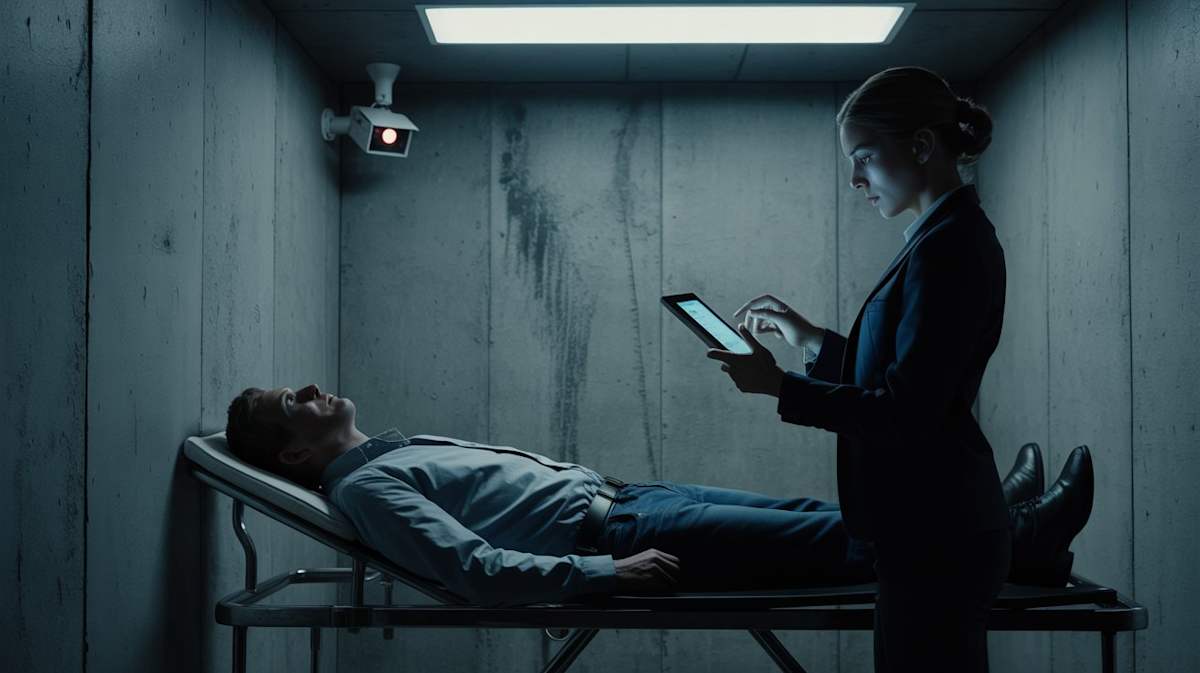
There’s a moment in every great thriller where the story stops being about survival…
…and becomes about choice.
Chapter 25 of The Zero Index is built entirely around that shift.
Not explosions. Not chases.
But something far more powerful for readers:
the instant a character realizes they’re already inside the trap.
Why Readers Stay Hooked: The “No Way Out” Moment
If you’re writing a technothriller, crime thriller, or psychological suspense novel, this is the chapter that determines whether readers binge your book…or put it down.
Here’s the core principle:
Readers don’t connect to danger. They connect to inescapable danger.
In this chapter, Carter isn’t just investigating anymore.
She’s:
- Watching timelines that don’t add up
- Seeing injuries that contradict official reports
- Noticing systems behaving too efficiently
- Realizing people aren’t being processed…they’re disappearing
That’s the turning point.
The mystery becomes personal.
And once it’s personal, readers don’t leave.
The Craft Move Most Thrillers Miss
A lot of thrillers rely on external stakes:
- Stop the attack
- Catch the killer
- Escape the facility
But the deeper hook—the one that drives page-turning tension—is internal realization.
In Chapter 25, the real escalation isn’t violence.
It’s pattern recognition.
Carter begins connecting:
- altered timestamps
- inconsistent medical reports
- erased personnel records
- missing transfer destinations
This creates a powerful reader experience:
👉 The audience figures it out at the same time she does
That shared realization builds trust—and tension.
The “Professional Mask” Technique (And Why It Works)
One of the most effective techniques in modern thrillers is what I call:
The Professional Mask
Carter never panics outwardly.
Instead:
- Her voice stays controlled
- Her posture stays precise
- Her report remains “by the book”
But internally?
She’s calculating survival.
This contrast creates:
- tension without chaos
- urgency without noise
- fear without losing control
Readers feel the pressure because the character refuses to show it.
That restraint is what makes the chapter hit harder.
The Real Twist: When the System Turns Inward
Most thriller plots are built around a system targeting outsiders.
This chapter flips that.
The system begins targeting:
- its own personnel
- its own analysts
- its own investigators
That shift matters for one reason:
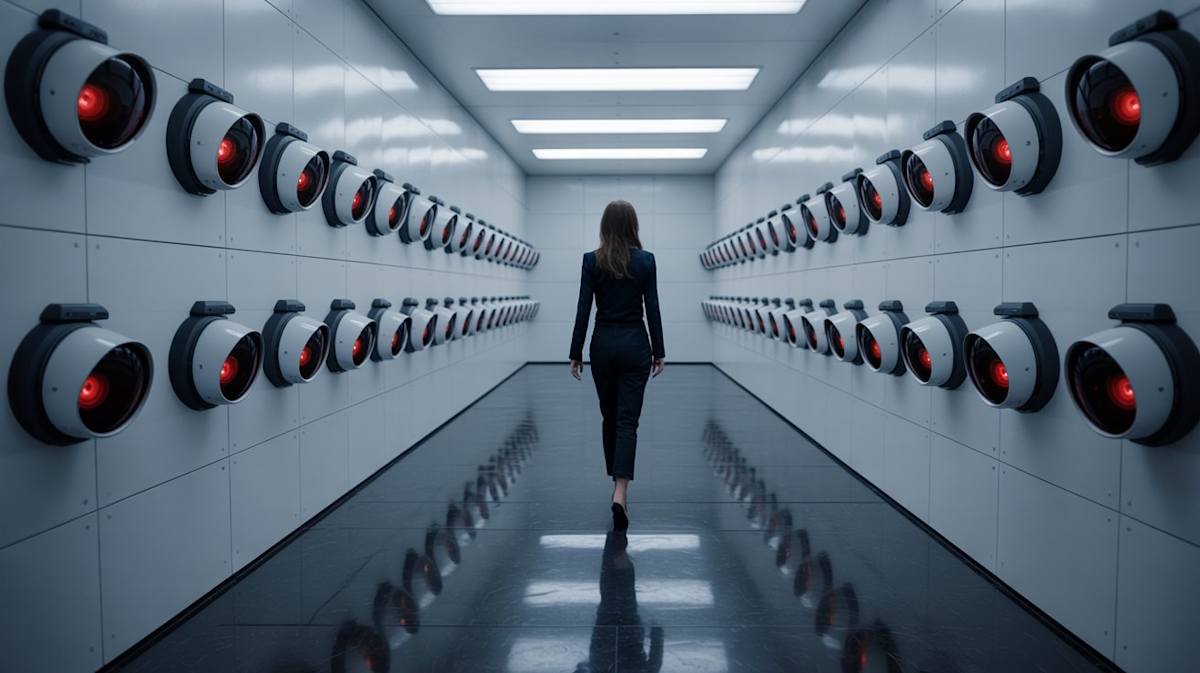
It removes the illusion of safety.
When even insiders aren’t protected, the story enters a new phase:
no one is outside the threat anymore.
This is where technothrillers start to feel real to readers—and why books in this genre are exploding in popularity.
The Hidden Engine of Suspense: Time Pressure
Chapter 25 introduces a critical storytelling device:
the ticking window
- 35 hours until system upgrade
- 4-minute vulnerability window
- 10 hours until deployment
These aren’t just numbers.
They do three things:
- Force decisions
- Prevent overthinking
- Accelerate pacing without adding action
It’s one of the simplest and most effective ways to keep readers turning pages late into the night.
Why This Chapter Converts Readers Into Fans
If you’re looking at this from a reader perspective—or even as an author building your own thriller—the reason this kind of chapter works is simple:
It delivers three emotional hits at once:
- Discovery: something is wrong
- Fear: it’s bigger than expected
- Urgency: there’s no time to fix it safely
That combination is what transforms casual readers into binge readers.
Final Thought: The Moment Everything Changes
Every thriller needs a chapter where the character realizes:
- the system is larger than they thought
- the rules don’t apply anymore
- and survival requires breaking those rules
That’s what Chapter 25 does.
It doesn’t just move the plot forward.
It changes the nature of the story itself.
FAQ
What makes a technothriller addictive to read?
A strong technothriller combines real-world systems, escalating stakes, and a character who uncovers hidden patterns that change everything.
Why do readers love interrogation scenes in thrillers?
Because they’re battles of control. The tension comes from what’s not said as much as what is.
What’s the most important turning point in a thriller novel?
The moment the protagonist realizes they’re no longer investigating the threat—they’re part of it.
Are books like Jack Reacher similar to technothrillers?
They share fast pacing and high-stakes conflict, but technothrillers focus more on systems, networks, and hidden infrastructures shaping events.
When will The Zero Index be released?
The Zero Index by Lance Jepsen is scheduled for release in May 2026.
If you enjoy stories where the danger isn’t obvious at first…
where the system itself becomes the enemy…
and where one decision can change everything—
This is the kind of chapter you’ll want to experience firsthand.