
There’s a reason The Boys hits differently than most superhero shows. It isn’t just the violence, or the shock value, or even the satire. It’s the way the show is constructed at a storytelling level. Underneath the chaos is a very deliberate set of literary techniques that give it weight, tension, and staying power.
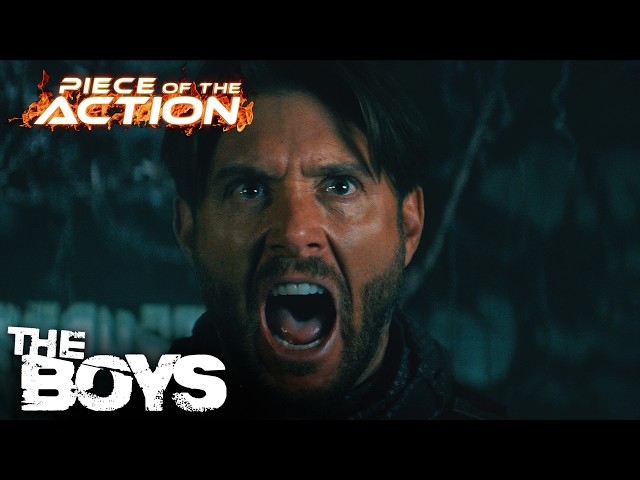

First, let’s talk about inversion. Traditional superhero stories are built on idealism. Think Superman or Captain America. They represent moral clarity. The Boys flips that structure completely. Its “heroes” are corporate assets, emotionally unstable, and often dangerous. This is not just parody. It’s a structural inversion of the genre itself. By taking the expected archetype and reversing its moral alignment, the show creates constant tension. The audience is forced to question every assumption they’ve been trained to accept about power and heroism.
That inversion feeds directly into one of the show’s strongest tools: satire. The world of The Boys isn’t just corrupt, it’s recognizable. The corporation Vought International functions as a stand-in for real-world conglomerates, blending celebrity culture, defense contracting, and political influence into a single machine. The satire works because it doesn’t exaggerate randomly. It exaggerates directionally. Every absurd element feels like it’s only one step removed from reality. That’s what gives it bite.
Archetypes Twisted Into Weapons
The characters are where the literary craft really shows.
Homelander is a classic example of the “false god” archetype. On the surface, he’s the ultimate protector. Underneath, he’s a study in narcissism, insecurity, and unchecked power. The show uses dramatic irony constantly with him. The public sees a savior. The audience sees the monster. That gap creates dread in almost every scene he’s in.
Billy Butcher operates as a mirror image. He’s positioned as the protagonist, but he’s morally corroded in ways that echo the very people he’s hunting. This is where the show leans into anti-hero construction. Butcher isn’t there to restore order. He’s there to burn it down, and the story never lets you forget the cost of that mindset.
Then you have Starlight, who represents a more traditional moral compass dropped into a corrupted system. Her arc uses internal conflict as a primary device. She’s constantly negotiating between survival and integrity. That tension is quieter than the show’s spectacle, but it’s essential. Without it, the world would feel nihilistic instead of conflicted.
Tone Control: Shock With Purpose
A lot of people reduce The Boys to “shock value,” but that misses what the writers are actually doing. The show uses contrast as a core technique. Extreme violence sits next to deadpan humor. Corporate PR language sits next to brutality. That tonal whiplash isn’t random. It keeps the audience off balance.
In literary terms, this is controlled dissonance. The show constantly forces two conflicting emotional responses to coexist. You laugh, then immediately feel uncomfortable for laughing. That reaction isn’t accidental. It reinforces the show’s central idea: that systems can normalize anything if they package it correctly.
Worldbuilding as Subtext
The world of The Boys is doing narrative work even when nothing explodes.
The presence of Vought in media, politics, and the military isn’t just background detail. It’s environmental storytelling. Every commercial, every press conference, every scripted apology builds a sense that the system is bigger than any one character. That’s key. The conflict isn’t just man versus man. It’s man versus institution.
This is where the show overlaps with dystopian literature. The real antagonist isn’t just Homelander. It’s the machine that made him, markets him, and protects him.
Moral Ambiguity as Engine
Most stories treat morality as a guidepost. The Boys treats it as unstable ground.
There are very few clean victories. When something good happens, it usually comes with collateral damage. This is a deliberate rejection of catharsis. Instead of release, the show builds accumulation. Every decision adds weight. Every compromise matters later.
This technique keeps stakes high without relying on constant escalation. The audience isn’t just wondering what will happen next. They’re tracking consequences.
Why It Works
At its core, The Boys succeeds because it understands the genre it’s dismantling. It doesn’t just mock superhero stories. It uses their structure, then corrupts it from the inside.
You get:
- Inverted archetypes instead of traditional heroes
- Satire grounded in reality instead of pure exaggeration
- Characters driven by internal contradiction
- Tone that weaponizes contrast
- A world that reinforces theme at every level
- Moral ambiguity that replaces clean resolution
All of that combines into something that feels chaotic on the surface but is tightly engineered underneath.
And that’s the real trick. The show feels like it’s breaking the rules, but it’s actually following a very precise set of storytelling principles. It just applies them in a way most mainstream narratives won’t risk.
That’s what makes it cool. Not the spectacle. Not the shock.
It’s the control behind the chaos.